About
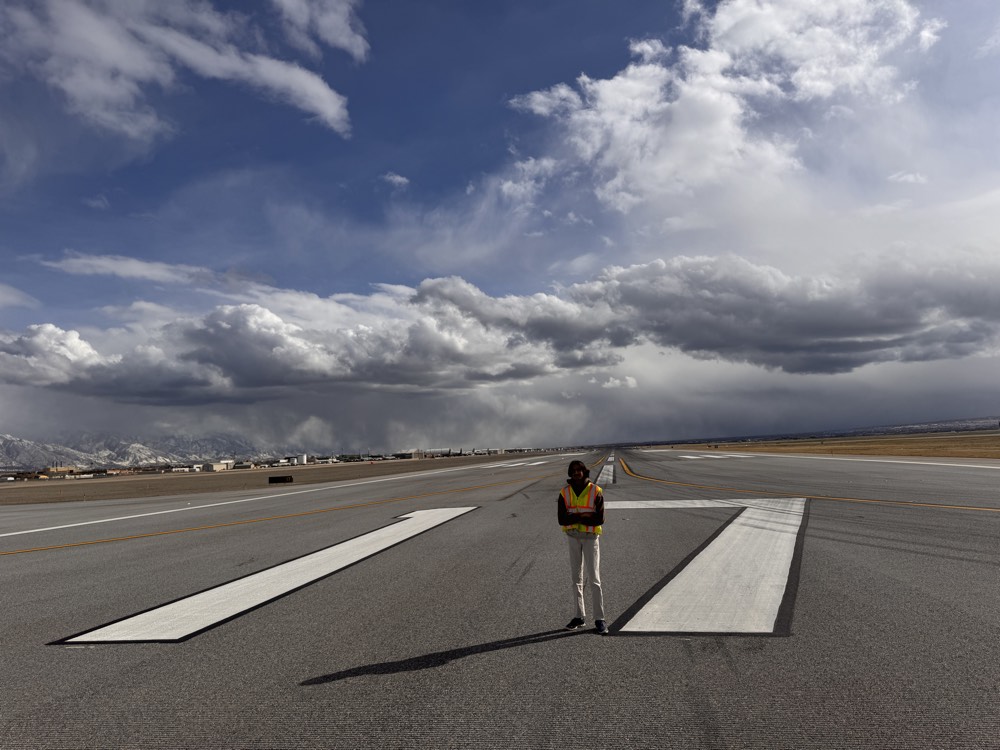
Hey, I'm Rushil!
I love all things aviation, math, and comp sci related.
I'm currently an embedded systems engineer and student. I write flight computer software at Kairos Autonomi, where I work on autonomous drones. I've been building aircraft since 2024 and writing software for even longer.
I'm also a concurrent-enrollment student at the University of Utah, taking university math alongside attending high school in Salt Lake City.
Experience
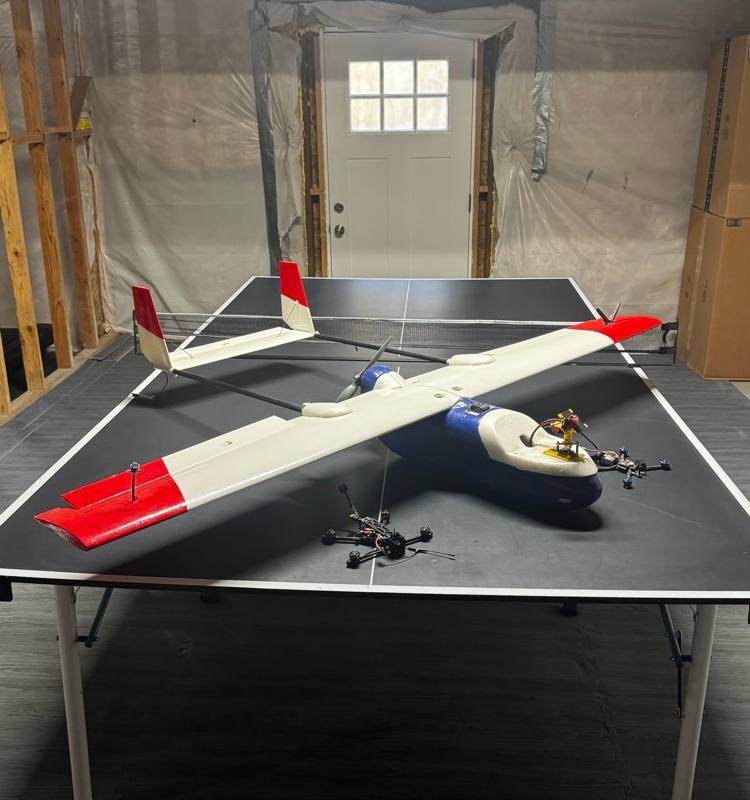
Writing flight software for onboard flight computers on autonomous drone systems.
Built and deployed 30+ target drones for counter-UAS training exercises supporting the United States Marine Corps, and wrote control software for onboard flight computers.
Projects
VTOL aircraft for search and rescue
A vertical take-off and landing aircraft built for search and rescue. I'm developing both the airframe and a computer vision model that identifies objects from a camera carried onboard.
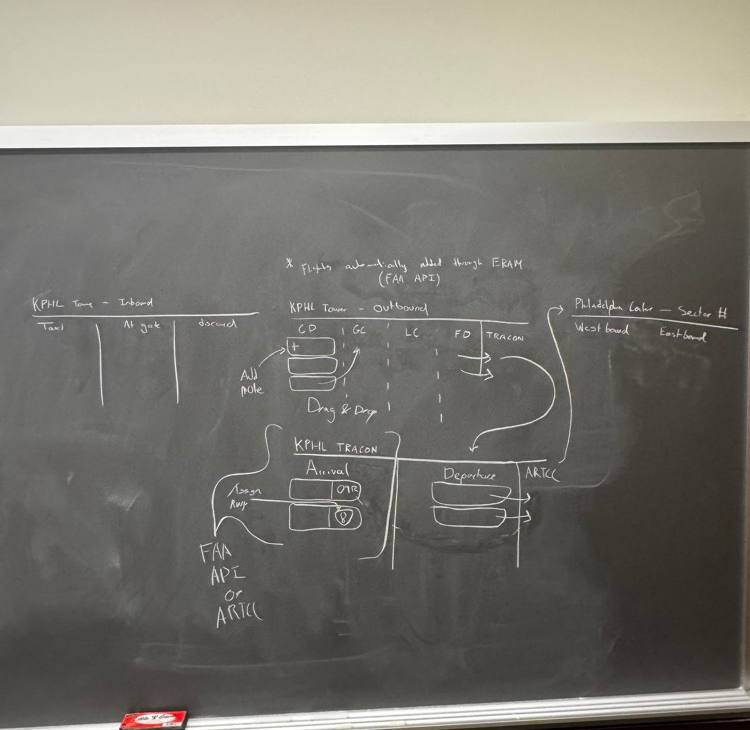
Navda — AI and automation for air traffic control
Air traffic control still runs on paper strips and aging tower software, against a real controller shortage. Navda is a 3D control tool built around that: live aircraft visualization over Cesium's globe engine, a React and Vite frontend with Tailwind, a Flask backend, Auth0 for authentication, and Supabase holding flight data in real time. It won Best AR/VR Hack at PennApps XXVI.
Detecting acute lymphoblastic leukemia
A machine learning model that reads microscope images of blood cells and sorts them into cancerous and non-cancerous. The interesting work was upstream of the model: curating and cleaning 15,000+ images pulled from several different databases into something consistent enough to train on. It reached 86% accuracy on the held-out test set.
PiHeart — wearable heart rate monitor
A wearable that reads heart rate through a pulse sensor and an ADS1115 ADC, warns through an active buzzer when the rate goes somewhere it shouldn't, and shows live BPM on a 7-segment display. A Ublox NEO-6M GPS module with geopy geocoding broadcasts the wearer's location to emergency services, accurate to 95% in testing.
Education
Concurrent enrollment: Calculus II, Calculus III, and Discrete Math.
IB Diploma Programme.
Tools
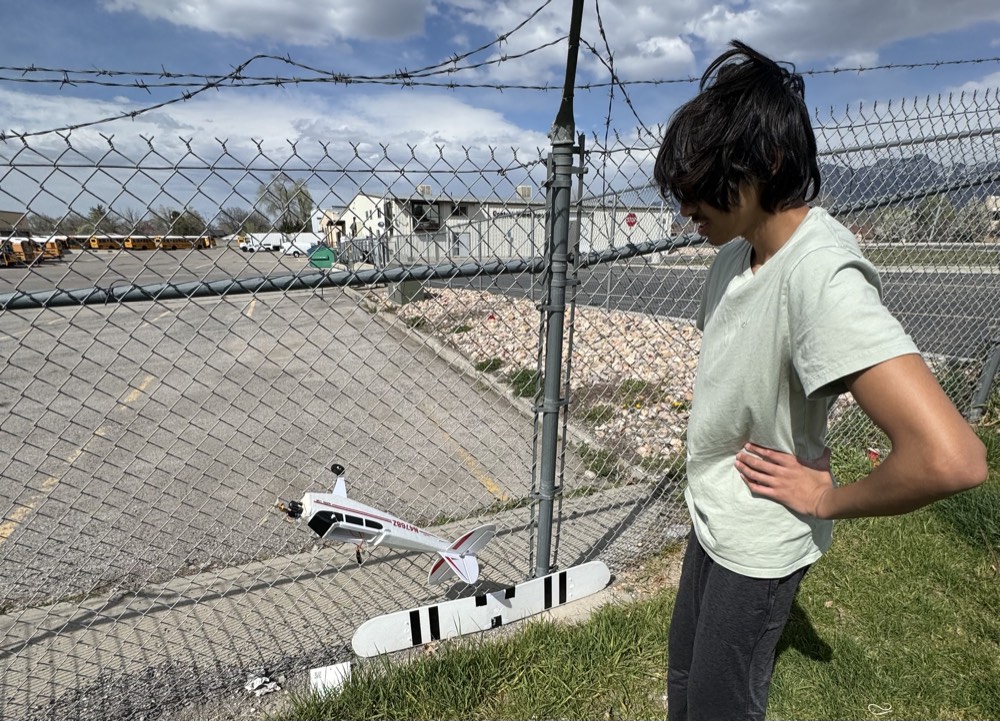
I write mostly Python and Java, plus JavaScript, C++, HTML, CSS, and SQL. On the web side: React, Flask, Tailwind, Vite, Supabase, Firebase, PostgreSQL, Langchain, Cesium, Cerebras AI, Auth0, PyQt5, Folium, and Git. On the flight side: ArduPilot, PX4, APM 2.6, and Matek and ZOHD flight controllers.